
When homeowners ask how long a furnace should last, we always say it depends on maintenance, usage, and the quality of installation. If you’re thinking about heating in Framingham, you deserve a system that’s reliable, efficient, and built to handle New England winters. At Obie Comfort Solutions, we’ve helped countless families determine whether to repair or replace their furnace, and we’re here to help you make the right call for your home.
Obie Comfort Solutions Blog: Archive for the ‘Furnances’ Category
Top Heating Repairs We See Every January (and How to Avoid Them)
Monday, January 26th, 2026January is when winter really tests your home’s heating system. At Obie Comfort Solutions, we’re in homes every day helping families stay warm when temperatures dip below freezing. We’ve noticed a pattern over the years—certain heating issues pop up again and again right after the New Year. If you rely on heating in Framingham, understanding these common problems (and how to prevent them) can save you stress, discomfort, and unexpected repair costs. Below are the top heating repairs we see every January and what you can do to avoid them.
5 Signs Your Furnace Won’t Make It to Spring
Monday, January 12th, 2026Winter in Massachusetts can be unforgiving, and your furnace works overtime to keep your home warm and safe. At Obie Comfort Solutions, we’ve seen what happens when small furnace issues are ignored until they become big, expensive problems. Your heating system is one of the hardest-working appliances in your home during winter, and it often shows signs of trouble long before it completely fails. If your system is already struggling, it may not survive until spring without professional attention. If you’re concerned about heating repair in Framingham, it’s important to recognize the warning signs early before you’re left in the cold.
Below are five signs your furnace may be nearing the end of its season—and what they mean for your comfort.
Winter Illnesses and Allergies? The Role of Your Furnace and Air Ducts
Monday, December 8th, 2025Winter is supposed to be a cozy time of year—hot cocoa, warm blankets, and the comfort of home. But if you’ve noticed household members dealing with excessive sneezing, itchy eyes, or a scratchy throat while inside, your furnace and air ducts could be contributing to these issues. Many homeowners don’t realize that the very systems keeping them warm can also affect their indoor air quality in Framingham, contributing to wintertime allergies, colds, and discomfort.
Why a Winter Furnace Tune-Up Could Save You From a No-Heat Emergency
Monday, November 24th, 2025When winter hits New England, reliable heat isn’t just a luxury—it’s a necessity. That’s why we always remind our customers that heating maintenance in Framingham is one of the smartest things you can do before the cold settles in. A simple tune-up now can spare you costly breakdowns, uncomfortable nights, and a whole lot of stress later.
Fall Furnace Check: 7 Must-Dos Before the Cold Hits
Monday, August 25th, 2025As the leaves change and temperatures start to dip, it’s time to get serious about your furnace. Fall is the perfect season for heating maintenance in Framingham, ensuring your system runs smoothly and keeps your home warm all winter long. At Obie Comfort Solutions, we want to help you avoid unexpected breakdowns and keep your furnace in top shape. Here are seven must-do steps to check off before the cold hits.
Top 5 Signs It’s Time to Replace Your Furnace or AC
Monday, August 11th, 2025At Obie Comfort Solutions, we know how frustrating it can be when your heating or cooling system isn’t doing its job. Whether you’re dealing with an old, clunky furnace or an AC that’s just not keeping up, sometimes repair isn’t enough. If you’re considering AC or furnace replacement in Framingham, here are five signs it might be time to make the switch.
Heat Pump Installation vs Furnace Installation: Which Is Better for Your Home?
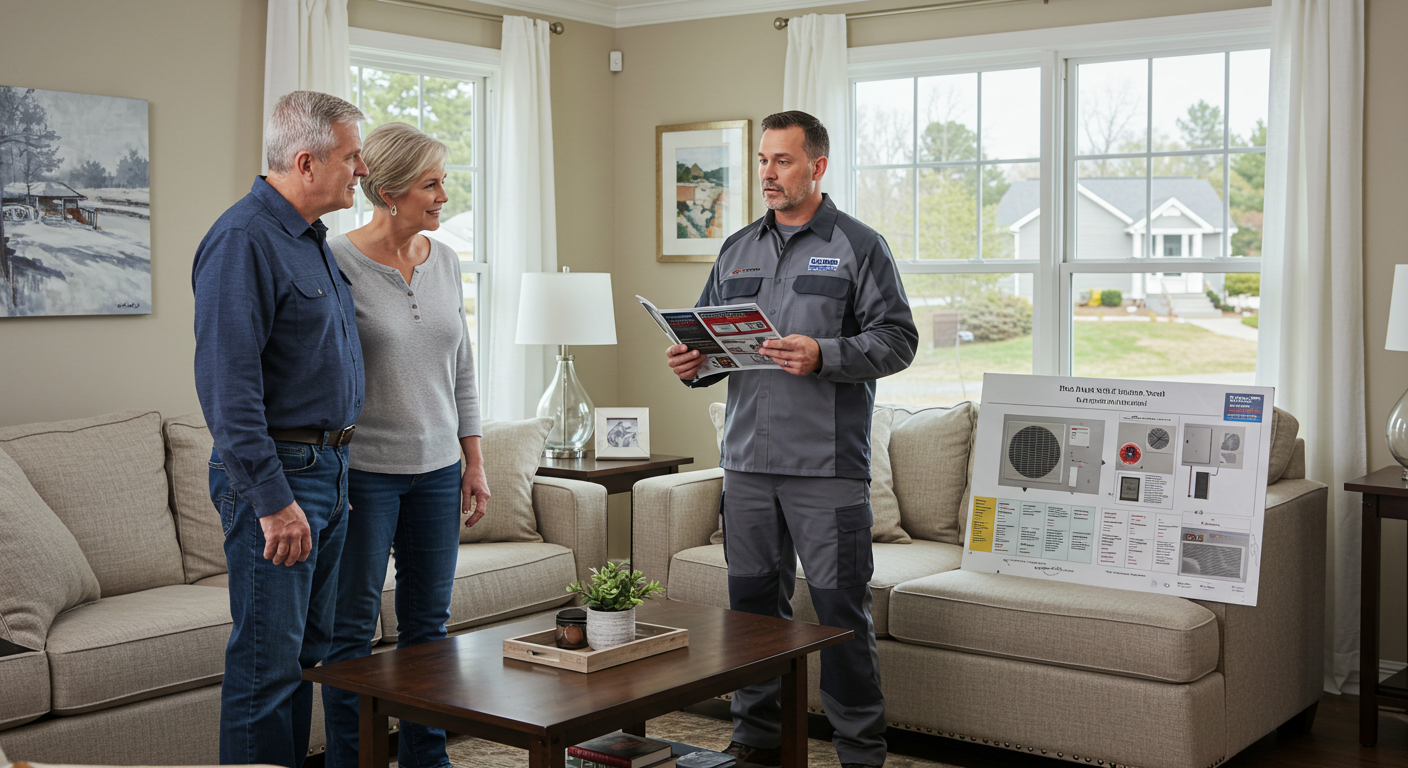
Friday, January 24th, 2025At Obie Comfort Solutions, we understand that choosing between heat pump and furnace installations is a significant decision for your home’s comfort and efficiency. As a family-owned business since 2006, anchored in Christian values, we prioritize personalized service to ensure you make the best choice for your unique needs. For homeowners navigating this decision, reviewing heat pump installation rebate options can reveal valuable incentives that make high-efficiency systems more affordable.
Key Takeaways
- Heat pumps offer energy-efficient heating and cooling, making them a cost-effective choice despite higher upfront costs.
- Furnaces, which burn fuel to generate heat, may perform better in extremely cold climates but often have higher operating costs over time.
- Both systems require regular maintenance: heat pumps need more frequent upkeep, while furnaces should undergo annual professional inspections to prevent safety risks.
Heat Pump Installation: What You Need to Know
Heat pumps offer both heating and cooling by transferring heat, making them energy-efficient and suitable for year-round comfort. They are particularly effective in moderate climates and can reduce energy consumption compared to traditional systems.
Furnace Installation: What to Consider Before Choosing
Furnaces generate heat by burning fuel and are often preferred in colder climates due to their reliable heat output. While they may have higher operating costs over time, they provide consistent warmth during harsh winters. If you’re preparing for a new system, it’s helpful to understand how furnace installation improves energy efficiency and contributes to long-term savings.
Why Choose Obie Comfort Solutions for Your HVAC Installation?
- Personalized Assessments: We recognize that every home and family is unique. Our team offers free estimates to ensure our HVAC services and recommendations perfectly match your requirements. If you’re unsure where to start, this complete guide to choosing a furnace installation company can help you evaluate important factors before making a decision.
- Expert Technicians: Our licensed, NATE-certified, and EPA-certified Obie Service Technicians are committed to delivering exceptional craftsmanship in every installation
- Customer Satisfaction: Our commitment to customer satisfaction is evident in our hundreds of 5-star reviews, reflecting our dedication to exceeding your expectations.
- Energy Efficiency Guidance: As a Mass Save® partner, we help you reduce costs while enhancing the comfort of your home with energy-efficient HVAC equipment.
Schedule Your Free Heating Consultation Today
At Obie Comfort Solutions, your comfort is our promise. We’re not comfortable until you’re comfortable. Contact us today at 617-415-1522 to discuss the best heating solution for your home.
Frequently Asked Questions
What are the main components of a heat pump system?
Outdoor condenser, indoor air handler, refrigerant lines, and a thermostat.
How often do heat pumps and furnaces need maintenance?
Heat pumps: twice a year; Furnaces: once a year.
Which system is more energy-efficient?
Heat pumps, as they transfer more energy than they consume.
How do heat pumps improve indoor air quality?
They use advanced filtration to capture pollutants and regulate humidity.
What financing options exist for installation?
Options include partnerships with Service Finance Company, LLC, and rebates from programs like Mass Save®.
Oil Furnace Repair vs. Gas Furnace Repair: What’s the Difference?
Thursday, January 23rd, 2025When it comes to maintaining and repairing your home’s heating system, understanding the differences between oil furnace and gas furnace repair is crucial. At Obie Comfort Solutions, we bring years of expertise and a customer-focused approach to ensure your heating system operates efficiently and safely. Here’s what you need to know about the distinctions between these two furnace types.
Key Takeaways
- Oil furnaces require more frequent maintenance, dealing with issues like soot buildup and ignition problems, while gas furnaces generally need less upkeep but come with concerns like gas leaks and carbon monoxide emissions.
- Repair costs for oil furnaces are higher upfront, but gas furnaces offer more cost-effectiveness over time due to lower installation and maintenance costs.
- Choosing between oil and gas furnaces depends on factors like cost, efficiency, location, and household needs, with gas being more common in urban areas due to the availability of natural gas.
Key Differences in Repair Needs
The repair needs of oil and gas furnaces differ significantly due to their operational designs. Oil furnaces require more frequent cleaning and maintenance because of soot buildup, whereas gas furnaces are generally easier to maintain.
Common Oil Furnace Issues
Oil furnaces are durable and provide consistent heat, but they often face challenges like:
- Soot Buildup: Clogs filters and reduces efficiency, requiring regular cleaning.
- Fuel Supply Issues: Can lead to inconsistent heating.
- Ignition Problems: Prevent the furnace from starting.
Regular maintenance and attention to these issues ensure reliable operation.
Common Gas Furnace Issues
Gas furnaces require less frequent maintenance but can present significant safety concerns:
- Pilot Light Failures: Prevent the furnace from starting.
- Gas Leaks: Pose serious safety risks.
- Carbon Monoxide Emissions: Require proper venting to avoid health hazards.
Prompt inspections and repairs help mitigate these risks and maintain efficiency.
Maintenance Requirements
Both oil and gas furnaces need routine maintenance to perform optimally. However, oil furnaces demand more frequent attention due to their operation.
Oil Furnace Maintenance
Key maintenance tasks for oil furnaces include:
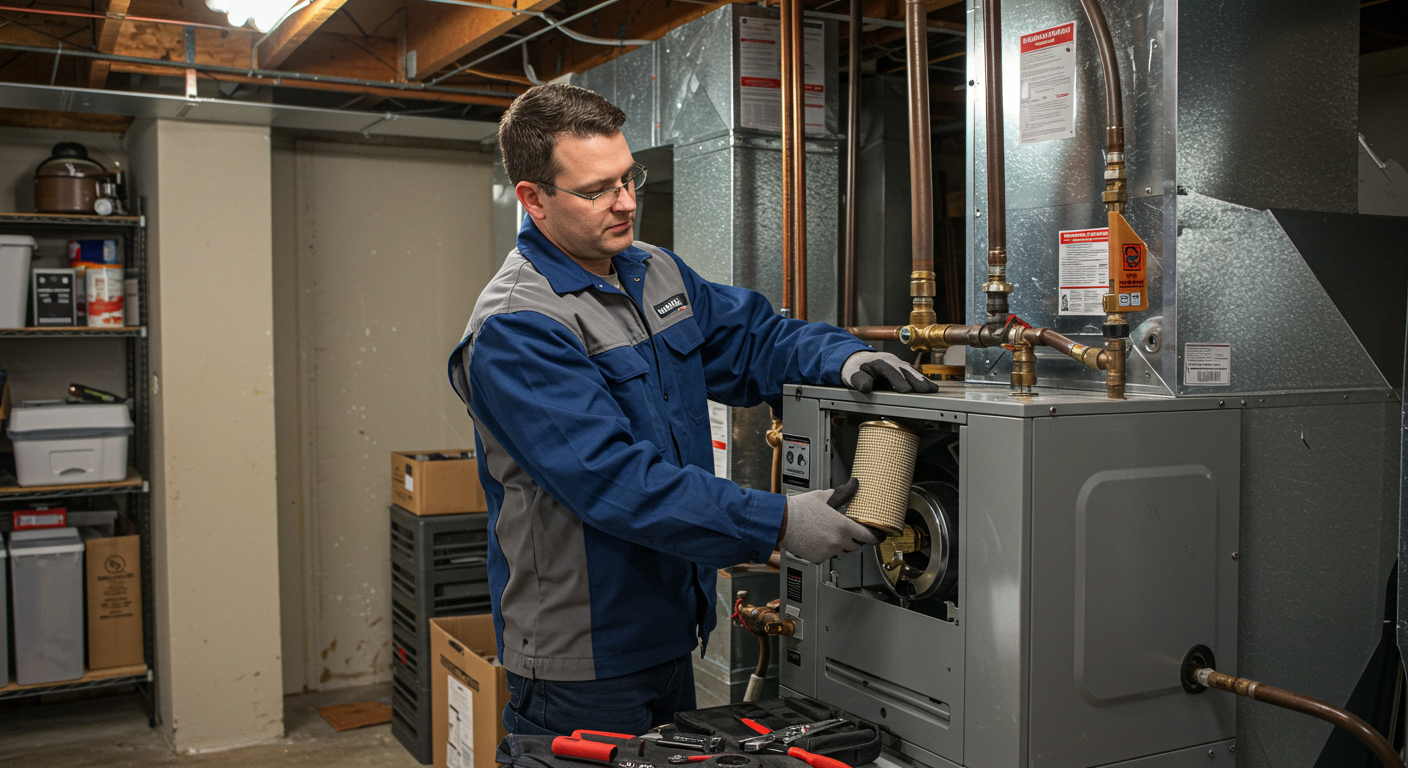
- Filter Replacement: Replace oil filters twice each heating season to avoid clogs.
- Combustion Chamber Cleaning: Prevents corrosion and maintains performance.
- Regular Inspections: Catch minor issues early to prevent costly repairs.
Gas Furnace Maintenance
While less intensive, gas furnace maintenance includes:
- Gas Line Checks: Ensure there are no leaks.
- Proper Venting: Prevents dangerous carbon monoxide buildup.
- Seasonal Inspections: Maintain performance and safety.
Safety Considerations
Safety is a priority with any heating system, and each furnace type presents unique risks:
Oil Furnace Safety
Oil furnaces are generally safer than gas furnaces in terms of detecting and mitigating risks. Key considerations include:
- Fire Risk: Heating oil is less combustible but must be cleaned promptly if spilled.
- Carbon Monoxide Risk: Rare in oil furnaces compared to gas systems.
Gas Furnace Safety
Gas furnaces require vigilance due to risks like:
- Carbon Monoxide Poisoning: Ensure proper venting and install CO detectors.
- Gas Leaks: Routine inspections can prevent dangerous situations.
Cost of Repairs
Oil furnaces typically have higher upfront repair costs due to frequent maintenance needs and fuel storage requirements. In contrast, gas furnaces are more cost-effective over time because they:
- Have lower installation costs.
- Require less frequent maintenance.
- Operate on more stable and generally lower-priced fuel.
Energy Efficiency Impact
Gas furnaces often have higher energy efficiency ratings, making them a more environmentally friendly and cost-effective option over time. Oil furnaces, while less efficient, can still provide reliable heating when properly maintained. Upgrading to modern oil furnaces improves efficiency and reduces environmental impact.
Professional Expertise Required
Both furnace types require skilled technicians for safe and effective repairs. Gas furnace repairs are often more complex, involving components like controls and igniters. At Obie Comfort Solutions, our NATE- and EPA-certified technicians ensure expert care for both oil and gas furnaces.
Choosing Between Oil and Gas Furnaces
The choice between oil and gas furnaces depends on:
- Cost: Gas is generally more economical in the long term.
- Efficiency: Gas furnaces typically offer better energy efficiency.
- Location: Gas furnaces are more common in urban areas due to natural gas availability.
- Household Needs: Oil heating offers more control over fuel supply but requires additional storage.
Contact Obie Comfort Solutions for Expert Furnace Repair
Need expert furnace repair services? Contact Obie Comfort Solutions for professional care. We offer:
- Comprehensive repair services for both oil and gas furnaces.
- Free consultations to assess your heating needs.
- Convenient scheduling options online or by phone at 617-415-1522.
Summary
Understanding the differences in repair needs, maintenance requirements, safety considerations, and costs for oil and gas furnaces helps homeowners make informed decisions about their heating systems. While oil furnaces offer durability and control over fuel, gas furnaces provide better efficiency and cost-effectiveness.
By staying informed and working with professionals like Obie Comfort Solutions, you can ensure the safe and efficient operation of your furnace, keeping your home warm and comfortable throughout the winter.
Frequently Asked Questions
What are the common signs that my oil furnace needs repair?
Soot buildup, fuel supply issues, and inadequate heat production are common signs that your oil furnace may need repair.
What maintenance tasks are necessary for gas furnaces?
Tasks include checking for gas leaks, ensuring proper venting, and scheduling regular inspections to maintain efficiency and safety.
Are oil furnaces more expensive to repair than gas furnaces?
Yes, oil furnaces typically have higher repair costs due to their maintenance demands and additional fuel storage expenses.
How can I ensure the safe operation of my gas furnace?
Ensure regular maintenance, proper venting, and routine checks for gas leaks. Install carbon monoxide detectors for added safety.
Why should I choose Obie Comfort Solutions for my furnace repair needs?
Obie Comfort Solutions offers expert services from certified technicians, free consultations, and reliable solutions for both oil and gas furnaces.
The Most Common Furnace Repair Problems and How to Fix Them Quickly
Thursday, January 23rd, 2025At Obie Comfort Solutions, we understand how frustrating furnace problems can be, especially during the colder months. Our family-owned company, rooted in values of trust and professionalism, is here to help you identify and address furnace issues quickly and effectively. This guide covers the most common furnace problems and offers actionable solutions to keep your home warm and comfortable.
Key Takeaways
- Common furnace issues include airflow obstructions, ignition system failures, and thermostat malfunctions, which can lead to inefficiency and discomfort.
- Regular maintenance, such as changing air filters and cleaning vents, is essential for preventing costly repairs and ensuring optimal furnace performance.
- Noisy furnaces often signal underlying problems that should be addressed promptly to prevent further damage.
Top Furnace Issues and How to Spot Them
Imagine adjusting your thermostat, expecting a cozy home, only to find the house still cold. This frustrating scenario is often a sign of underlying furnace issues. Below are some of the most common problems homeowners face:
Airflow Obstructions
Airflow obstructions are a leading cause of furnace inefficiency. When air can’t circulate properly, your furnace works harder, leading to increased wear and tear.
- Dirty Air Filters: Dust-clogged filters force your furnace to overwork, reducing efficiency. Replace filters every 1–2 months, especially during high-usage seasons.
- Blocked Vents: Check vents for obstructions like furniture or heavy dust. Clearing these ensures even heating and proper airflow.
Ignition System Failures
Modern gas furnaces often use electric ignition systems, which can fail due to dirt or faulty components.
- Faulty Pilot Light: If your pilot light won’t stay lit, ensure the gas valve is open. Persistent issues may require cleaning the flame sensor or professional repairs. For more insight into system differences, see how oil furnace repair compares to gas furnace repair.
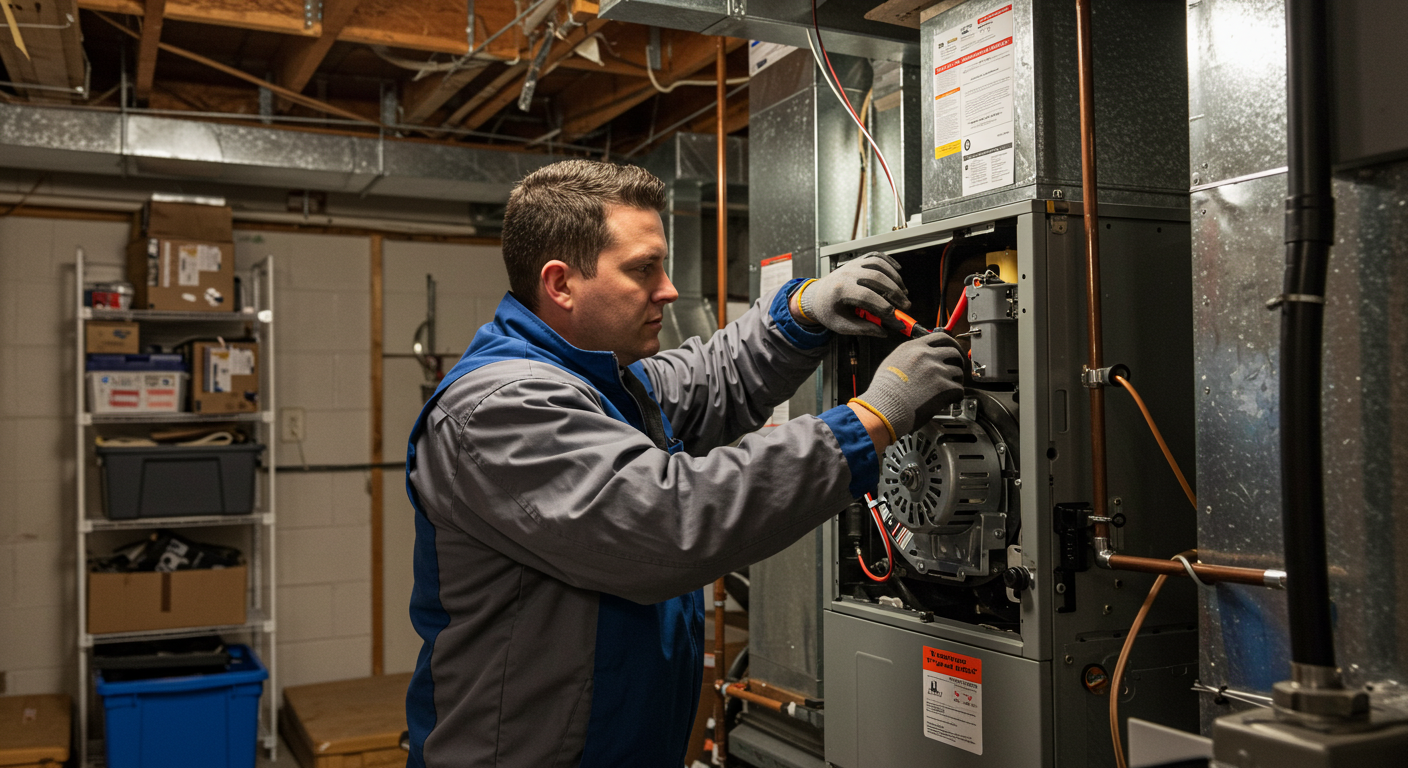
- Electric Ignition Issues: Cracked ignitors or insufficient voltage can prevent startup. Seek professional inspection for these problems.
Blower Motor Issues
The blower motor circulates warm air through your home. If it fails, you may notice uneven heating or strange noises.
- Broken Blower Belt: A squealing noise often indicates a slipping or broken belt, which needs replacement by an HVAC technician. These kinds of issues are covered extensively in our guide on common furnace repair problems, with fast solutions.
- Worn Bearings: Scraping sounds suggest worn blower bearings, requiring immediate attention to avoid further damage.
Heat Exchanger Concerns
The heat exchanger warms the air before distribution. A cracked heat exchanger can release dangerous gases, such as carbon monoxide.
- Signs of a Cracked Heat Exchanger: Unusual odors, discolored flames, or soot buildup near burners indicate potential issues. Call a technician immediately for inspection and repair.
Thermostat Troubles
A malfunctioning thermostat disrupts heating cycles and may cause continuous running or no heating at all.
- Dead Batteries: Replace batteries if the display is blank.
- Faulty Wiring: Professional inspection is necessary for unresponsive thermostats or wiring issues.
Electrical Component Failures
Problems with the furnace’s electrical system can cause irregular heating or complete failure.
- Tripped Circuit Breaker: Reset the breaker if it trips. Persistent issues may indicate deeper electrical problems that require professional help.
- Malfunctioning Limit Switch: A faulty limit switch may keep the blower running continuously. Replace it promptly to prevent overheating.
Gas Supply Problems
Gas flow issues prevent your furnace from heating properly.
- Closed Gas Valve: Ensure the valve is open. If the pilot light won’t stay lit, consult a technician.
- Gas Leaks: If you smell gas, evacuate your home and contact your utility company immediately.
Condensate Drain Line Clogs
A clogged condensate drain line can cause water damage and disrupt furnace operation.
- Cleaning the Drain Line: Use a wet/dry vacuum or compressed air to clear blockages. Regular maintenance prevents future clogs.
Noisy Furnaces
Unusual noises, like banging or squealing, often signal mechanical issues. Ignoring these can lead to more costly repairs.
- Banging Sounds: Commonly caused by thermal expansion in ductwork, particularly in older systems. Regular maintenance minimizes this.
- Squealing or Grinding: These noises may indicate belt or bearing issues. Turn off the furnace and call a technician for repairs.
How to Prevent Furnace Breakdowns with Maintenance
Proactive maintenance is the best way to avoid breakdowns and keep your furnace running efficiently. Along with changing air filters and sealing duct leaks, it’s important to schedule professional heating maintenance annually to catch and resolve issues early—before they turn into costly repairs.
Here’s how:
- Replace Filters Regularly: Change air filters every 1–3 months to maintain airflow.
- Inspect Ductwork: Seal leaks to prevent energy loss and ensure proper heating.
- Schedule Annual Inspections: A professional can identify and fix potential issues before they escalate.
- Check Pilot Light Color: A steady blue flame indicates normal operation; yellow or orange suggests a problem.
Key Takeaways: Furnace Troubleshooting Essentials
Addressing common furnace repair problems promptly can save you from discomfort and costly repairs. From airflow obstructions and ignition failures to thermostat and electrical issues, early detection and regular maintenance are key to a reliable heating system.
At Obie Comfort Solutions, we’re here to provide trusted, professional HVAC services tailored to your needs. Whether it’s routine maintenance or emergency repairs, you can count on our licensed, NATE-certified technicians to deliver exceptional service. Contact us today to ensure your furnace operates at peak performance throughout the winter.
Frequently Asked Questions
How often should I change my furnace filters?
Change furnace filters every 1–2 months during heavy usage periods to maintain efficiency and airflow.
What should I do if my furnace is making strange noises?
Turn off the furnace and contact a professional technician to inspect the issue. Strange noises often signal mechanical problems.
How can I tell if my heat exchanger is cracked?
Signs include unusual odors, yellow or orange flames, white soot near burners, and rattling or popping noises. Prompt inspection ensures safety.
What should I do if my pilot light won’t stay lit?
Ensure the gas valve is open and clean the flame sensor. If the issue persists, consult an HVAC technician.
How can I prevent my furnace from breaking down?
Regular maintenance, including filter changes, duct sealing, and annual professional inspections, helps prevent breakdowns and ensures efficient operation.